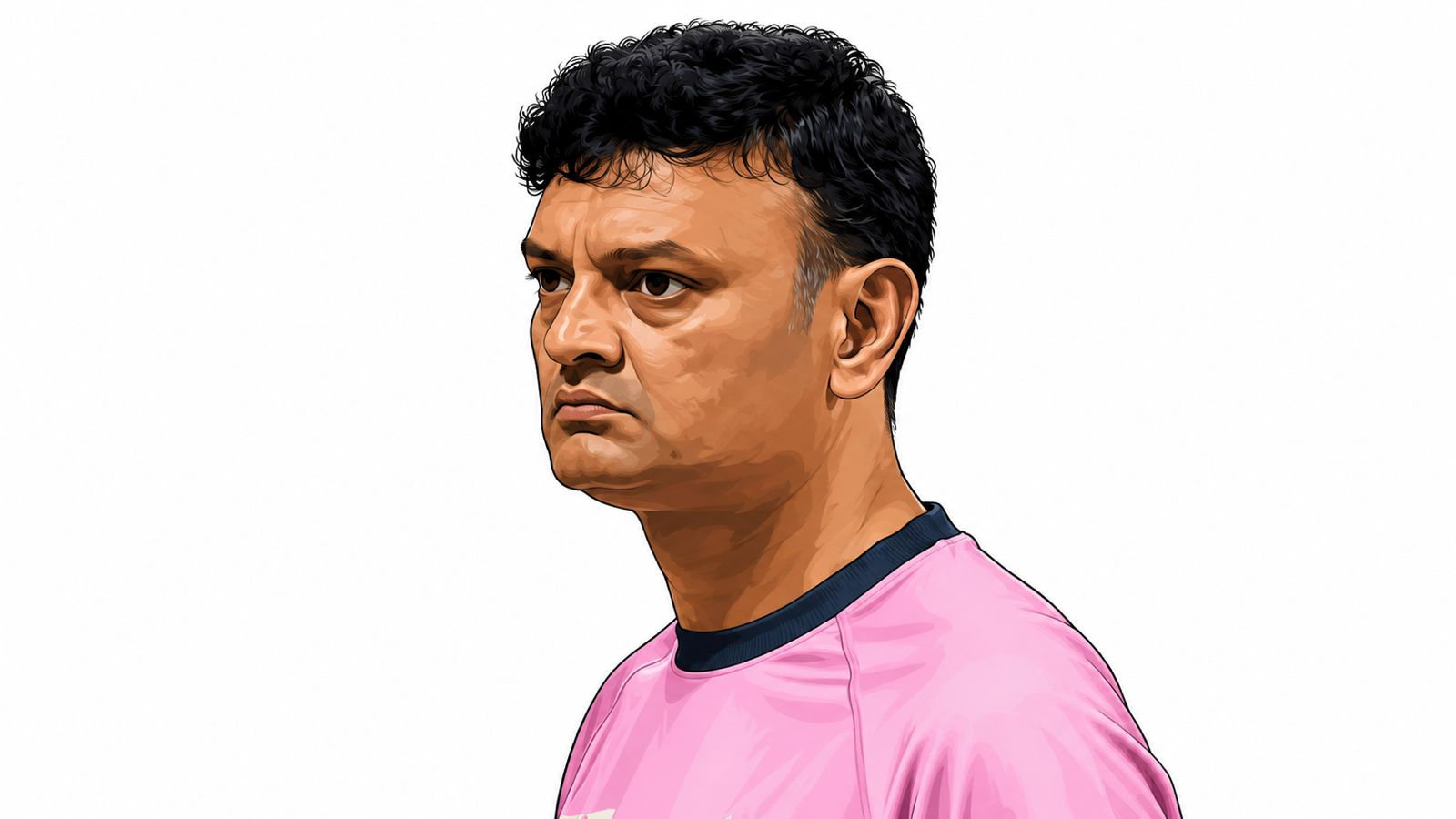
Delhi Capitals Frustrated Over Unpredictable Home Conditions at Arun Jaitley Stadium
Despite keeping their playoff hopes alive with a victory over Rajasthan Royals on Sunday, Delhi Capitals remain deeply frustrated with the playing conditions at their home ground, the Arun Jaitley Stadium.
Head coach Hemang Badani admitted after the match that the team has effectively begun treating its home venue like an away ground due to the unpredictability of the pitches.
“We’ve stopped discussing the surface,” Badani said during the post-match press conference. “As far as we are concerned, we look at this venue as an away venue.”
DC’s Home Record Raises Concerns
Delhi Capitals have endured a difficult campaign at home during the Indian Premier League 2026, managing just two wins in seven matches at the Arun Jaitley Stadium. In contrast, they have won four of their six away fixtures.
Badani pointed to the sharp contrast in performances to underline the team’s discomfort on home surfaces.
“If you divide the season into home and away performances, we’ve done significantly better away from home,” he said. “Including last season, we’ve now played 12 games here and won only three, one of which came in a Super Over.”
The inconsistency of the pitches has left the coaching staff unable to properly plan team combinations or strategies.
“It hasn’t been conducive to our style of play,” Badani explained. “Many times, we haven’t been able to understand what the surface is going to do.”
Different Pitch, Different Challenge
According to Badani, the three different pitches used in Delhi this season have behaved unpredictably, making preparation extremely difficult for the side.
“We’ve been bowled out for 60, we’ve been bowled out for 150, and we’ve also scored 260 here,” he said. “We don’t know how Pitch No. 4, 5 or 6 will behave because each surface has played differently every single time.”
He added that teams generally assess grass cover, surface texture and colour to estimate scoring patterns and choose combinations accordingly, but DC have struggled to establish any reliable expectations in Delhi.
“When you know the par score is around 180 or 200, you can build your side around that. But here, we simply don’t know what we’re going to get,” he said.
Reverse Swing Changed Sunday’s Match
Even in Sunday’s victory, Badani said the pitch behaved differently as the game progressed. Rajasthan Royals had reached 160 for 2 after 14 overs before collapsing late in the innings as the older ball began reversing and gripping the surface.
“The same thing happened during our chase,” Badani noted. “The ball started reversing and holding slightly in the pitch, which made batting harder as it got older.”
As a result, DC adjusted their approach by attacking early before taking the chase deep to avoid unnecessary risks.
Debate Over Home Advantage Rekindled
Badani was also asked whether IPL franchises should be given greater control over home pitches to ensure a genuine home advantage.
The DC coach suggested that if such a policy were implemented, it should apply consistently across all teams. However, his primary concern remained the lack of predictability rather than the nature of the pitches themselves.
“If there has to be a consistent decision for all teams, then yes,” he said. “But at the very least, teams should know what to expect. Here, we simply don’t know what the surface will do.”
With the playoff race intensifying, Delhi Capitals will hope to overcome their home struggles and maintain momentum heading into the final phase of the tournament.
ScoreX Live App
Your No.1 destination for live cricket scores, match coverage, breaking news, video highlights and in‑depth feature stories.